
Tobacco-Free Snus Explained: Nicotine Pouches vs Traditional Snus
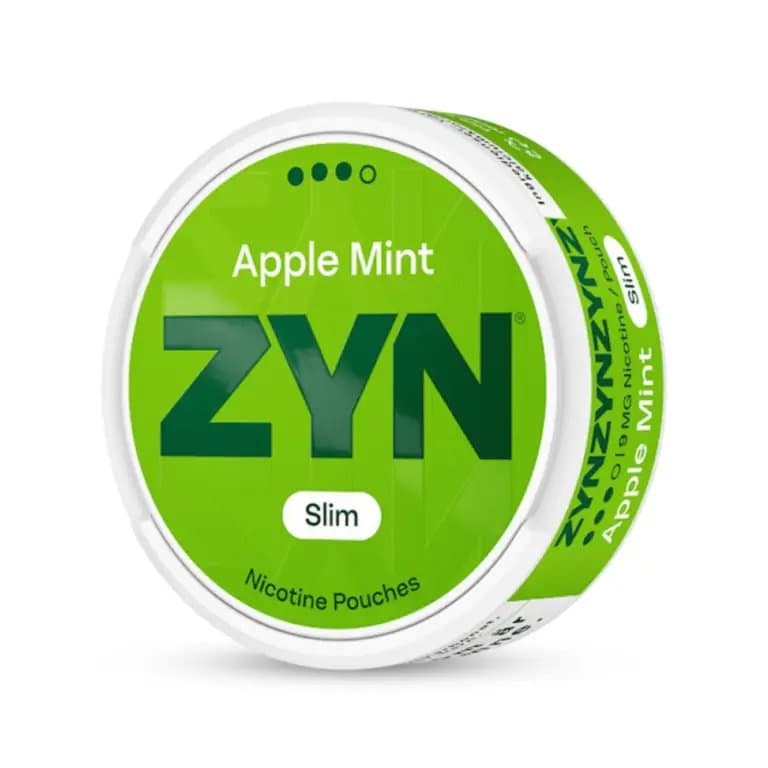
Nicotine pouches and traditional snus are used the same way but differ at the root: white plant fibre versus ground tobacco leaf. A comparison table, common misconceptions and 4 steps to tell them apart.
If you have ever heard someone in Saigon say “pass me the snus”, there is a good chance that what they are holding is not snus in the original sense of the word. In everyday speech, “snus” has become a catch-all name for any small pouch placed under the lip, from the traditional moist tobacco cans of Sweden to the white, tobacco-free pouches of VELO, ZYN or ICEBERG. The two look almost the same and are used in the same way, but what is inside is fundamentally different.
This article explains what tobacco-free snus is, how it differs from traditional snus, why the same word is used for two kinds of products, and how you can tell which one you are buying just by reading the can. The aim is to help you understand the names correctly and choose the right product, not to tell you whether or not to use it.
The short answer
Tobacco-free snus is really a nicotine pouch: a small non-woven pouch filled with white plant fibre that has been infused with nicotine, flavourings, sweeteners and a few moisture and pH regulators. There is no ground tobacco leaf inside. You place the pouch between your upper lip and gum, nicotine is absorbed through the lining of the mouth, and nothing is burned, so there is no smoke.
Traditional snus is a smokeless tobacco product that originated in Sweden: tobacco leaf is ground and mixed with water, salt and a pH regulator, then packed into small pouches or left loose. The filling is usually brown, moist, and has the characteristic taste of tobacco.
In other words, the nicotine pouch borrows the format of snus but replaces the tobacco filling with plant fibre. That is why people call it “tobacco-free snus”, “white snus” or “all-white snus”.
Why does one word mean two different things?
Snus has a history of hundreds of years in the Nordic countries. Around the mid-2010s, manufacturers began launching pouches without tobacco leaf, keeping the familiar way of use but changing the ingredients. Because users were already used to the word snus, the new product quickly came to share the name. In many countries the official name is nicotine pouch, but in everyday life “snus” is still the easiest word to remember.
In Vietnam, most users discovered nicotine pouches first and only later learned about traditional snus, so the word snus has become almost a synonym for nicotine pouch. When you search for “snus” online, most of the products that come up are white, tobacco-free pouches. Knowing this helps you read product descriptions more accurately and avoid surprises when you open the can.
What is inside a nicotine pouch?
Exact ingredients vary by brand, but a nicotine pouch usually contains the following groups.
Plant fibre: most of the pouch's weight is white plant fibre, often listed as cellulose. This is the “frame” that holds the nicotine and flavour and gives a soft feel under the lip.
Nicotine: either extracted from the tobacco plant and purified, or synthetic. Whatever its origin, it is still nicotine, an addictive substance. “Tobacco-free” does not mean “nicotine-free”.
Flavourings: these define the taste, from mint and spearmint to fruit, coffee, milk tea or chilli.
Sweeteners: make the taste more pleasant, especially in fruit flavours.
Humectants and pH regulators: keep the pouch from becoming too dry and affect how quickly nicotine is released.
Salt and water: small amounts that contribute to moisture and mouthfeel.
The best way to know exactly what a product contains is to read the ingredient list printed on the can. All the major brands state it clearly.
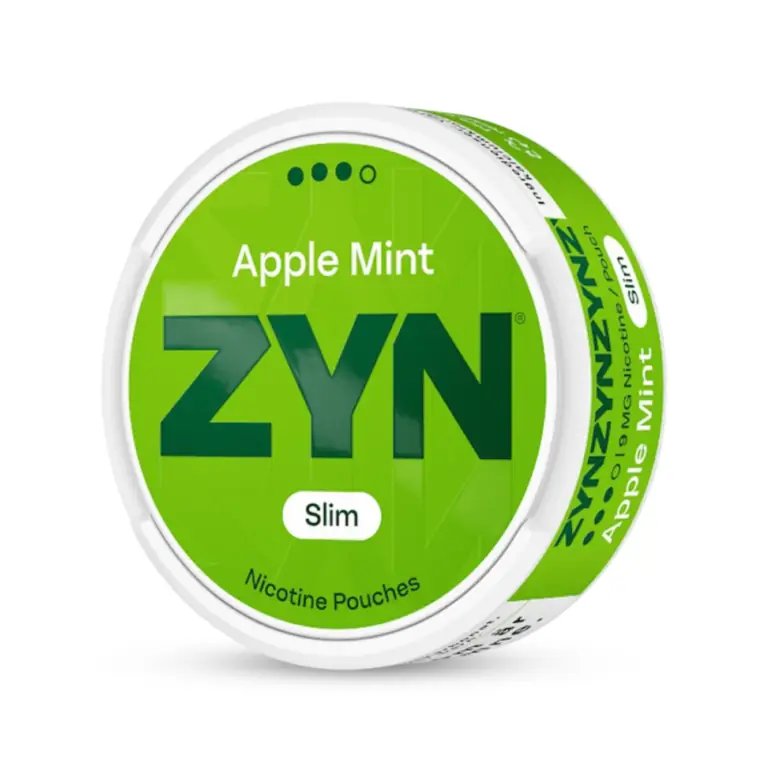
What is inside traditional snus?
Traditional snus is made from finely ground tobacco leaf. The leaf is heat-treated, mixed with water and salt, and a pH regulator and flavourings are added. There are two common forms: portion pouches and loose snus. Among portions there is “original portion”, which is moister and darker brown, and “white portion”, which is treated so the pouch surface is drier and drips less.
That phrase “white portion” is a frequent source of confusion. Many people assume “white” means tobacco-free, but in the world of traditional snus, “white” only describes how the pouch is treated. A can labelled “White Portion” can still be tobacco snus. This is why you should read the ingredients rather than judging by pouch colour or the words on the lid.
Nicotine pouches vs traditional snus, point by point
Base material
Nicotine pouches use white plant fibre. Traditional snus uses ground tobacco leaf. This is the root difference, and every other difference follows from it.
Colour
Nicotine pouches are usually white or off-white, even after use. Traditional snus is brown, with original portions usually darker than white portions.
Smell and taste
Nicotine pouches taste of their flavourings, with no tobacco smell. Traditional snus always has a tobacco base, even when bergamot, citrus or mint is added.
Moisture
Most slim nicotine pouches feel fairly dry in the hand and clean to use. Traditional snus is noticeably moister, especially original portions.
Pouch size
Nicotine pouches mostly come in long, thin slim pouches that sit close to the gum, plus smaller mini pouches. Traditional snus usually comes in larger, thicker regular pouches, though slim versions exist too.
How strength is labelled
Both label nicotine in mg per pouch or mg per gram, depending on the brand. Some Eastern European brands print very large figures such as 50mg or 120mg, which are usually mg per gram of pouch material, not mg per pouch. We have a separate article that explains in detail how to read strength.
How they are used
The same: place the pouch between your upper lip and gum, do not chew or swallow it, and put used pouches in the compartment on the lid or in a bin.
Quick comparison table
| Criterion | Nicotine pouch (tobacco-free snus) | Traditional snus |
|---|---|---|
| Base material | White plant fibre | Ground tobacco leaf |
| Pouch colour | White, off-white | Light to dark brown |
| Taste | Flavouring only, no tobacco base | Tobacco base, sometimes with added flavour |
| Moisture | Usually dry | Moist, original moister than white |
| Common formats | Slim, mini | Regular, slim, loose |
| Contains nicotine | Yes (except lines clearly labelled nicotine-free) | Yes |
| Intended for | Adults 18+ who already use nicotine | Adults 18+ used to the taste of tobacco |
Slim, mini or regular: pouch format shapes the experience too
Once you have chosen nicotine pouches, the next question is the format. Many people overlook this detail, but it matters as much as strength.
Slim is the most common: long, thin, close to the gum and barely visible when you talk. Most VELO, ICEBERG, CUBA, LOOP, PABLO and KILLA lines in the shop are slim. If you are not sure which to choose, slim is the safe option.
Mini is smaller and shorter, with less material, so it usually feels lighter and even more discreet. The ZYN 3mg mini pouches with Thai labels are a typical example. This format suits beginners, people with sensitive gums or anyone who wants a shorter session.
Regular is larger and thicker, common in traditional snus. A bigger pouch holds more material, so the flavour is richer and lasts longer, but it is also more visible under the lip.
Besides these three, ICEBERG also offers cotton strips such as ICEBERG Strip Peach, with 55 strips per can. It is a completely different format from ordinary pouches and suits people who like trying new things.
Choosing your first flavour: one simple rule
If you do not know which flavour to start with, think about what you eat or drink every day. People who like mint chewing gum often get on well with spearmint or peppermint. Fruit-juice lovers can try blueberry, grape or mango. If you drink coffee every morning, try flavours such as LOOP Creamy Cappuccino or HELWIT Mocha. The rule is to start with something familiar and only then try unusual flavours such as chilli or herbs.
One more small tip: strong mint tends to create a cooling sensation that partly masks the initial tingle of nicotine, while sweet fruit flavours feel gentler but can make you notice the nicotine more. There is no absolutely right choice, only the one that suits you.
When does traditional snus make sense?
Traditional snus suits a fairly specific group: people already used to the taste of tobacco, who like the moist, full feel of a regular pouch, or who simply want to experience a product with a long Nordic history. For someone who has never used tobacco products, it is not the place to start. If what you are looking for is something tidy, without tobacco smell and with plenty of flavour choice, nicotine pouches will usually suit you better.
Common misconceptions
“Tobacco-free means nicotine-free”
Wrong. Nicotine pouches are made to deliver nicotine. The only exceptions are a few specialised nicotine-free lines, for example caffeine pouches such as ICEBERG Caffeine Emerald. These products are clearly labelled as nicotine-free on the packaging and the product page.
“Tobacco-free means you can use it freely”
Nicotine is addictive wherever it comes from. Nicotine pouches are only for adults aged 18 and over who already use nicotine, and are not for pregnant or breastfeeding women. If you have a heart condition or take medication, consult a doctor.
“A white pouch means no tobacco”
As explained above, “white portion” in traditional snus does not mean tobacco-free. Read the ingredients.
“A bigger mg number is many times stronger”
Not quite. A can labelled 50mg in mg per gram and a can labelled 10mg per pouch cannot be compared directly by dividing 50 by 10. You have to convert them to the same unit first.
How can you tell which one you are holding?
You can check for yourself in a minute with four steps.
Step 1: look for the wording on the can. Nicotine pouches usually say “nicotine pouches”, “all white”, “tobacco-free” or “tobacco-free nicotine pouches”. Traditional snus usually says “snus”, along with a tobacco warning required in the market where it is made.
Step 2: read the ingredients. If “tobacco” appears in the ingredient list, it is traditional snus. If you see cellulose or plant fibres, nicotine and flavourings, it is a nicotine pouch.
Step 3: look at the pouch. A bright white, dry pouch suggests a nicotine pouch. A brown, moist pouch suggests traditional snus. Use this step only as confirmation, not as a substitute for step 2.
Step 4: check the product page. On snussaigon.com, every product lists its origin, pouch format, pouches per can and weight. If you still have questions, you can message the shop for an explanation.
Popular nicotine pouch lines at Snus Saigon
Below are some of the nicotine pouch brands currently in store, grouped by strength so they are easier to picture.
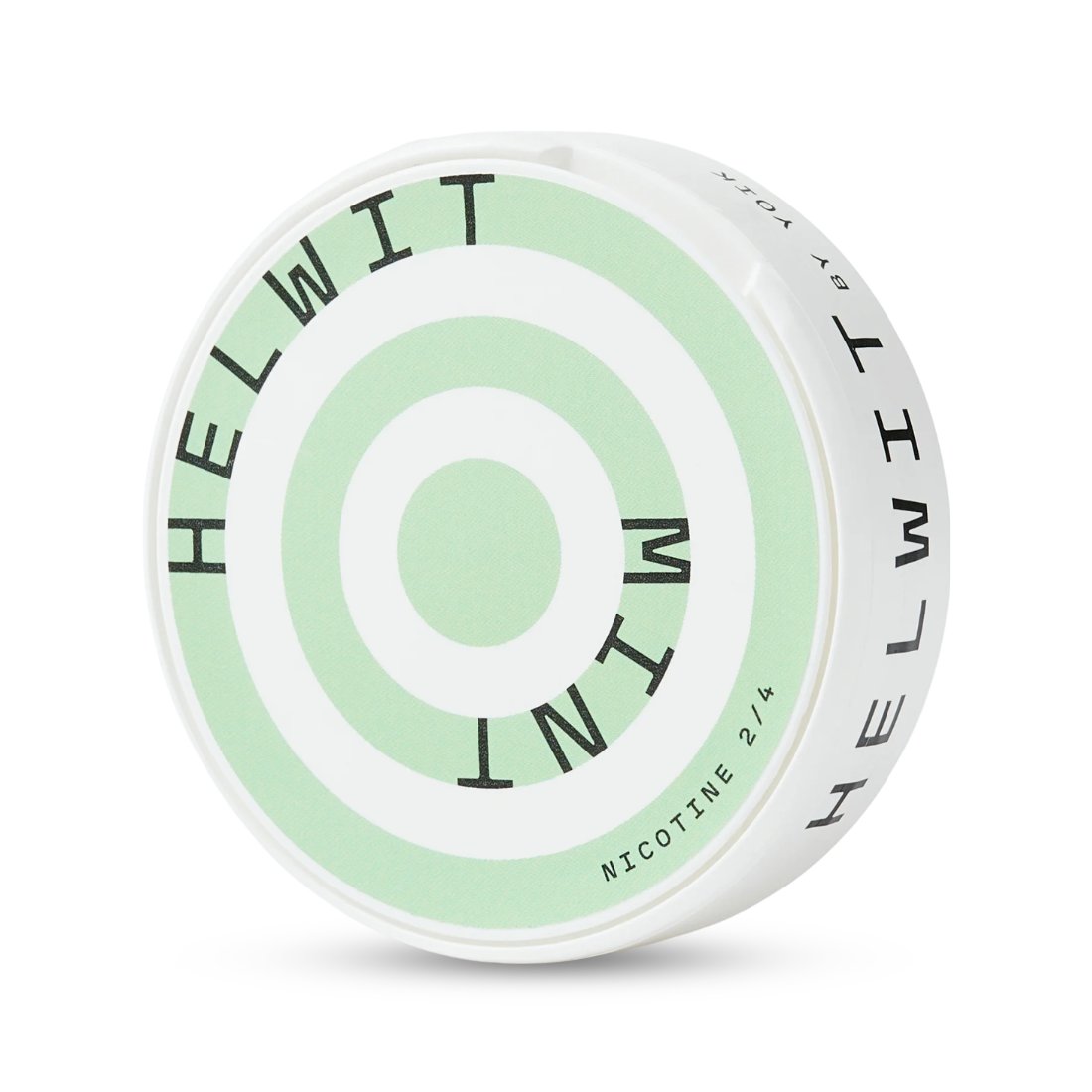
Very light: HELWIT from Sweden at 3.5mg and 4.5mg, in flavours such as mint, menthol, cola, banana, orange and mocha. A gentle starting point for beginners. ZYN also has 3mg Thai-label mini versions such as Black Cherry and Peach.
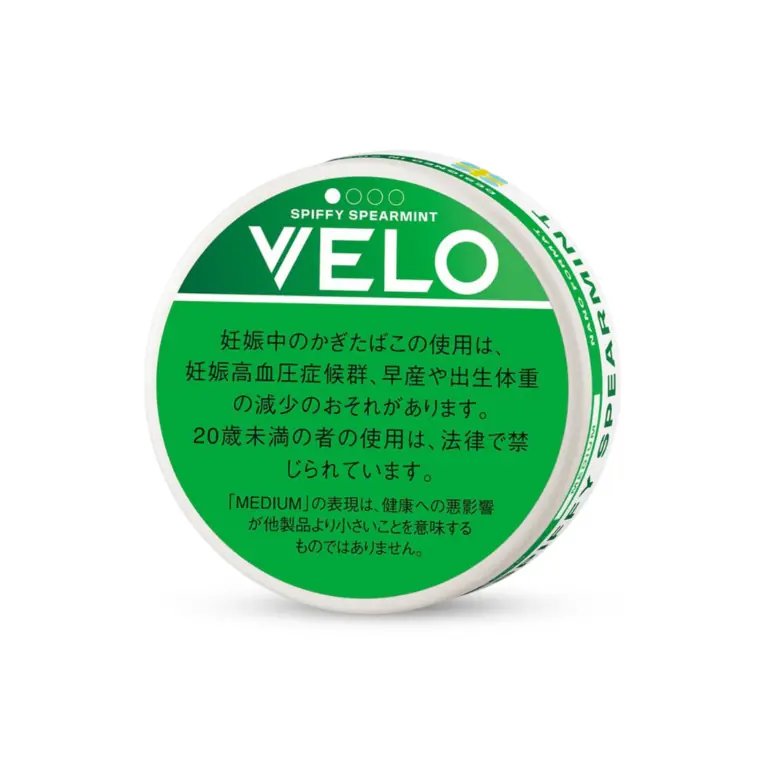
Light to medium: VELO Japan Label at 4mg, 6mg and 9mg, in familiar flavours such as Sniffy Spearmint, Mighty Peppermint, Icy Berries, Groovy Grape and even Royal Milk Tea.
Medium to fairly strong: international VELO at around 10 to 14mg, CUBA White at 10.4mg, the ICEBERG 12mg range, LOOP Strong at 9.4mg and Extra Strong at 12 to 12.5mg, and KILLA at around 13mg.
Very strong, only for experienced users: LOOP Hyper Strong 15.6mg, CUBA Ninja 15.6mg, PABLO, CUBA Black and the ICEBERG lines labelled 35mg, 50mg, 100mg, 120mg or 160mg. Beginners should not start with this group.
Traditional snus at Snus Saigon
Alongside nicotine pouches, the shop carries several names associated with the Nordic snus tradition, such as General, Göteborgs Rapé and Oden's, mostly in regular pouches. If you want to know the exact ingredients of a particular can, check the ingredient list on the packaging or ask staff before buying. This group is for people already used to the taste of tobacco, not a choice for first-timers.
Why do many people in Saigon choose nicotine pouches?
The reason mentioned most often is convenience in a city setting. No smoke, no ash, no lighter, no smell left on clothes. The can is small enough for a shirt pocket. Users can use pouches in places where smoking would be inappropriate, as long as they respect the rules of that place.
The second reason is the variety of flavours. Someone who dislikes the taste of tobacco can choose mint, fruit or even milk tea. The third reason is the ability to control strength: brands offer many strength levels, so users can pick the one they are used to.
It must be said clearly, though: these points describe the user experience, not health claims. Nicotine pouches still contain nicotine, are still addictive and are not intended for people who have never used nicotine.
Using nicotine pouches for the first time: what to know
If you already use nicotine in another form and want to try nicotine pouches, start low, at around 3 to 6mg per pouch. Place the pouch between your upper lip and gum, slightly to one side. A mild burning or tingling feeling in the first few minutes is normal for many people. Keep the pouch in for about 15 to 30 minutes, or take it out earlier if it feels too strong.
Do not use several pouches back to back until you are used to them. If you feel uncomfortable, avoid swallowing too much saliva in the first few minutes. If you feel dizzy, nauseous or your heart is racing, take the pouch out immediately. Detailed instructions are in our beginner's guide to using snus correctly.
Storing nicotine pouches in Saigon's climate
Nicotine pouches are sensitive to heat and humidity. In Saigon, where daytime temperatures are often above 30 degrees, a can left in a motorbike compartment or on a car dashboard can dry out quickly and lose flavour. Keep cans somewhere cool and airy. If you buy several cans, the fridge is the ideal place for unopened ones. Always close the lid tightly after taking a pouch.
Frequently asked questions
Are nicotine pouches e-cigarettes?
No. E-cigarettes heat a liquid to produce a vapour that is inhaled. Nicotine pouches are not burned, not heated and produce no vapour; they are placed in the mouth.
Does tobacco-free snus smell?
The pouch smells of its flavouring, such as mint or fruit, but there is no smoke or tobacco smell.
Can I swallow saliva while using one?
Yes, but beginners usually find it more comfortable not to swallow much in the first few minutes. Never swallow the pouch.
How long does one pouch last?
Usually 15 to 45 minutes, depending on strength and personal preference. Our beginner's guide to using snus explains this in detail.
Are there any nicotine-free options?
Yes, for example ICEBERG's caffeine lines, which are clearly labelled as containing no nicotine.
Can people under 18 buy them?
No. Snus Saigon only sells to people aged 18 and over.
In summary
Tobacco-free snus is the everyday name for nicotine pouches: white plant-fibre pouches containing nicotine and flavourings, with no tobacco leaf. Traditional snus is a smokeless tobacco product made from ground tobacco leaf. The two are used the same way but differ in ingredients, colour, taste and moisture. To know for sure which one you are holding, read the ingredients on the can rather than judging by the colour of the pouch.
To learn more, read what nicotine pouches are, compare VELO and ZYN, or see how snus differs from cigarettes.
This product contains nicotine, which is addictive. For adults aged 18 and over only. Not for use during pregnancy or breastfeeding.